Source Cartoon Crossbody Bag for Travel, Commute, and Leisure
Explore 30 options for a cartoon crossbody bag designed for daily use. Compare PU and polyester materials, waterproof features, and customization services from Chinese manufacturers to find the right fit for your needs; compare the available evidence and request quotations based on your requirements.
Key considerations
Products List


Comprehensive Sourcing Guide
Cartoon Crossbody Bag Sourcing Guide
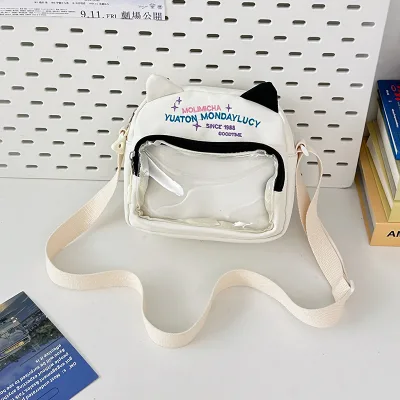
Sourcing cartoon-themed crossbody bags requires balancing aesthetic appeal with functional durability, as these items often target younger demographics or casual fashion markets. Buyers must first define the target audience to determine appropriate material choices, such as PU leather for a retro look or polyester for lightweight travel use. The observed market signals indicate a wide range of customization options, from silk screen printing to foil bronzing, allowing brands to create unique character designs. It is crucial to verify that the chosen printing method adheres to safety standards, especially for products intended for children, ensuring that inks and materials do not pose health risks.
The visual identity of the bag, including its shape and color, plays a significant role in its marketability. Horizontal square shapes and retro styles are common, offering a versatile silhouette that fits various carrying preferences. Buyers should evaluate whether the bag’s design supports the intended usage, whether for daily commute, outdoor leisure, or professional settings. Understanding the specific aesthetic requirements helps in selecting suppliers who specialize in the desired style, ensuring that the final product aligns with brand expectations. This initial alignment prevents costly redesigns and ensures that the product resonates with the target consumer base from the outset.
Product Scope and Observed Listing Signals
The current market landscape for crossbody bags reveals a diverse array of product attributes, with materials ranging from PU to polyester and nylon linings. Observed listings show a price range of $0.16 to $28 USD, indicating significant variation based on complexity, material quality, and order volume. Minimum order quantities (MOQs) typically start at 2 units for samples but scale up to 500 units for bulk production, with many suppliers setting a standard MOQ of 100 units. This flexibility allows buyers to test market response with small batches before committing to larger orders, reducing financial risk and inventory pressure.
Customization is a dominant feature in this category, with suppliers offering OEM and ODM services to tailor products to specific brand needs. Attributes such as waterproofing, adjustable shoulder straps, and multiple internal compartments are frequently highlighted to enhance utility. The observed data suggests that buyers can expect customized packing options, ranging from individual OPP bags to bulk carton packaging, which impacts logistics and storage efficiency. Understanding these signals helps buyers anticipate supplier capabilities and negotiate terms that align with their supply chain requirements, ensuring a smooth transition from design to delivery.
Technical Specifications to Verify
When evaluating technical specifications, buyers must prioritize the structural integrity and functional design of the crossbody bag. Key attributes to verify include the closure mechanism, such as zippers or buckles, which affect security and ease of use. The hardness of the material, often described as medium soft or soft, influences the bag’s durability and comfort against the body. Additionally, the internal structure, typically featuring a main compartment, should be assessed for its ability to organize contents effectively. These details are critical for ensuring that the bag meets practical usage demands while maintaining its aesthetic appeal.
Dimensions and weight are equally important, as they determine the bag’s capacity and portability. Observed sizes, such as 37x12x27cm or 22x18x9cm, provide a baseline for capacity planning, but buyers should confirm if these dimensions are customizable to fit specific product requirements. The strap type, whether single shoulder or double shoulder, and its adjustability level must be verified to ensure comfort for diverse user groups. Confirming these specifications early in the sourcing process helps prevent mismatches between design expectations and physical reality, ensuring that the final product performs as intended in real-world scenarios.
Compliance and Safety Documentation
Compliance with international safety standards is non-negotiable, particularly for products that may be used by children or in close contact with the skin. Buyers should request documentation confirming that materials are AZO-free and low in cadmium, adhering to standards such as EN71 and EU/US regulations. These certifications ensure that the bag does not contain harmful substances that could pose health risks. It is essential to verify that the supplier has a robust quality control system in place to maintain these standards consistently across all production batches, protecting the brand from potential liability issues.
Beyond material safety, buyers must also consider the durability and performance of the bag under normal usage conditions. Testing for colorfastness, zipper strength, and strap durability can provide insights into the product’s longevity. While specific test results may not be publicly listed, buyers should inquire about the supplier’s internal testing protocols and request samples for independent verification. Ensuring that the product meets these safety and performance benchmarks helps build consumer trust and reduces the likelihood of returns or complaints, safeguarding the brand’s reputation in the competitive crossbody bag market.
Cost Drivers and Commercial Terms
Cost drivers in crossbody bag procurement include material selection, customization complexity, and order volume. PU and polyester materials offer different price points and performance characteristics, influencing the final unit cost. Customization options, such as silk screen printing or foil bronzing, add to the production cost but enhance brand value. Buyers should negotiate terms that balance cost efficiency with quality, considering the trade-offs between lower MOQs and higher per-unit prices. Understanding these drivers helps in budgeting accurately and identifying areas where cost savings can be achieved without compromising product integrity.
Commercial terms, including payment methods, lead times, and shipping arrangements, significantly impact the overall procurement experience. Suppliers typically require a deposit before production begins, with the balance due upon completion. Lead times can vary based on the complexity of the design and the current production load, so buyers should confirm estimated timelines early in the process. Additionally, shipping costs and logistics arrangements should be clarified to avoid unexpected expenses. By negotiating favorable commercial terms, buyers can optimize their supply chain efficiency and maintain healthy profit margins.
Supplier Qualification and Quality Control
Supplier qualification is a critical step in ensuring the reliability and consistency of crossbody bag production. Buyers should assess suppliers based on their experience, production capacity, and commitment to quality control. Verifying the supplier’s location, such as Quanzhou, China, can provide insights into their supply chain advantages and logistical capabilities. It is also important to review the supplier’s track record for on-time delivery and adherence to specifications. A qualified supplier will have a transparent communication process and be willing to provide samples for evaluation before committing to large orders.
Quality control measures should be integrated into the production process to minimize defects and ensure product consistency. Buyers should request detailed quality control plans from suppliers, including inspection points for materials, production, and final packaging. Implementing third-party inspections for random samples can provide an additional layer of assurance. By establishing clear quality expectations and monitoring compliance, buyers can reduce the risk of receiving substandard products. This proactive approach to quality control helps maintain brand integrity and customer satisfaction in the long run.
Long-Term Procurement Checks
Long-term procurement success depends on continuous monitoring and relationship management with suppliers. Buyers should establish regular communication channels to discuss performance, address issues, and explore opportunities for improvement. Tracking key performance indicators, such as defect rates, delivery times, and responsiveness, helps in evaluating supplier reliability over time. Building a strong partnership with suppliers can lead to better pricing, priority production, and collaborative innovation, enhancing the overall sourcing strategy. Regular reviews ensure that the supplier remains aligned with the buyer’s evolving needs and market demands.
Additionally, buyers should stay informed about market trends and regulatory changes that may impact product requirements. Adapting to new safety standards or consumer preferences ensures that the product remains competitive and compliant. Conducting periodic audits of the supplier’s facilities and processes can help identify areas for improvement and ensure ongoing compliance. By maintaining a proactive and strategic approach to supplier management, buyers can mitigate risks and secure a stable supply of high-quality crossbody bags, supporting sustainable business growth.
FAQs
What materials are used for cartoon crossbody bags?
The bags are constructed from PU exterior material with polyester or nylon linings. This combination provides a durable, medium-soft texture suitable for daily use. The waterproof feature ensures protection against light rain, making the material choice practical for both indoor and outdoor environments while maintaining a retro style.
Can I customize the design and packaging?
Yes, customization is available for both the product design and packaging. Buyers can request specific printing methods such as silk screen printing, foil bronzing, or heat transfer. The packaging can be customized to individual requirements, allowing for unique branding and presentation that meets specific market needs or corporate gifting standards.
What are the standard specifications and sizes?
Standard models include sizes like 37x12x27cm and 22x18x9cm, with horizontal square or shoulder strap shapes. The bags feature main compartments and adjustable straps for versatile carrying. These specifications cater to various usage scenarios, from commuting to camping, ensuring adequate capacity for essentials while maintaining a portable and lightweight profile for the user.
What is the minimum order quantity for bulk orders?
The minimum order quantity is typically 100 pieces, though some listings indicate ranges from 2 to 500 units. This flexibility allows buyers to start with smaller test orders or scale up for larger distributions. Meeting the MOQ ensures efficient production runs and cost-effective pricing for both OEM and ODM projects in the global market.
How long does sample production take?
Sample production takes about five days after confirming the design. This timeline allows for quick turnaround to evaluate quality and aesthetics before committing to bulk orders. The fast sample time supports efficient decision-making for buyers who need to verify customization options, material quality, and overall product fit for their specific target audience.
Are the bags suitable for professional and casual use?
Yes, the bags are designed for household, professional, and camping use. Their unisex design and retro style make them versatile for various occasions. The durable PU material and secure closures ensure functionality for daily commutes or outdoor adventures, providing a practical accessory that blends fashion with utility for a wide range of users.